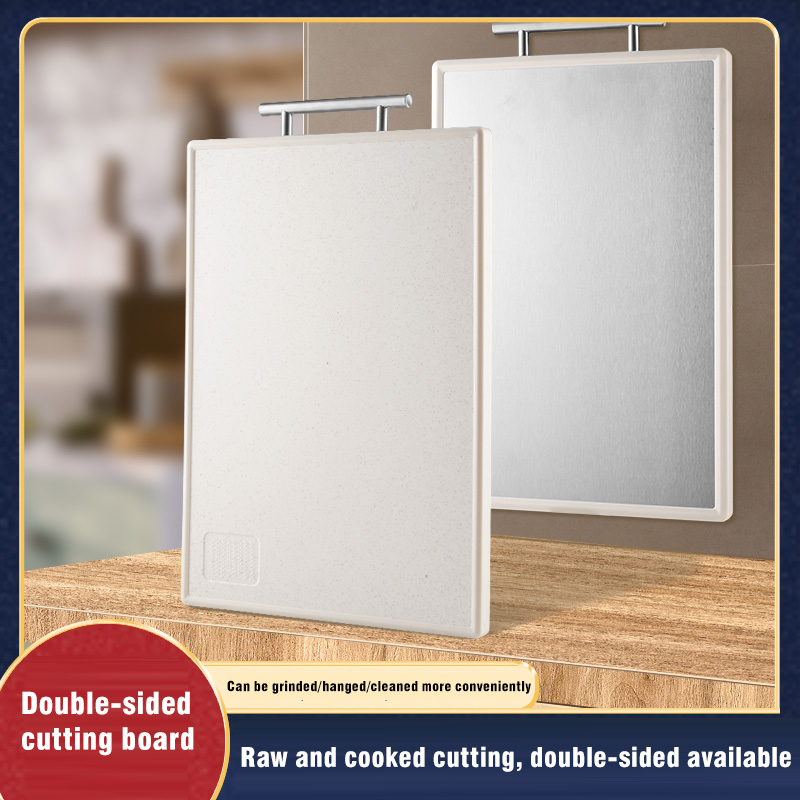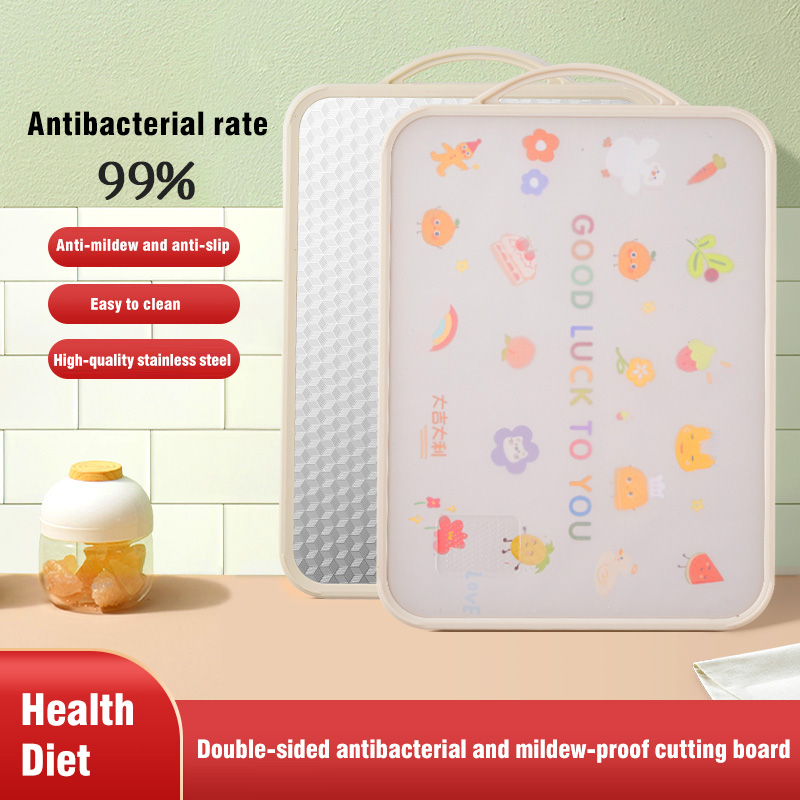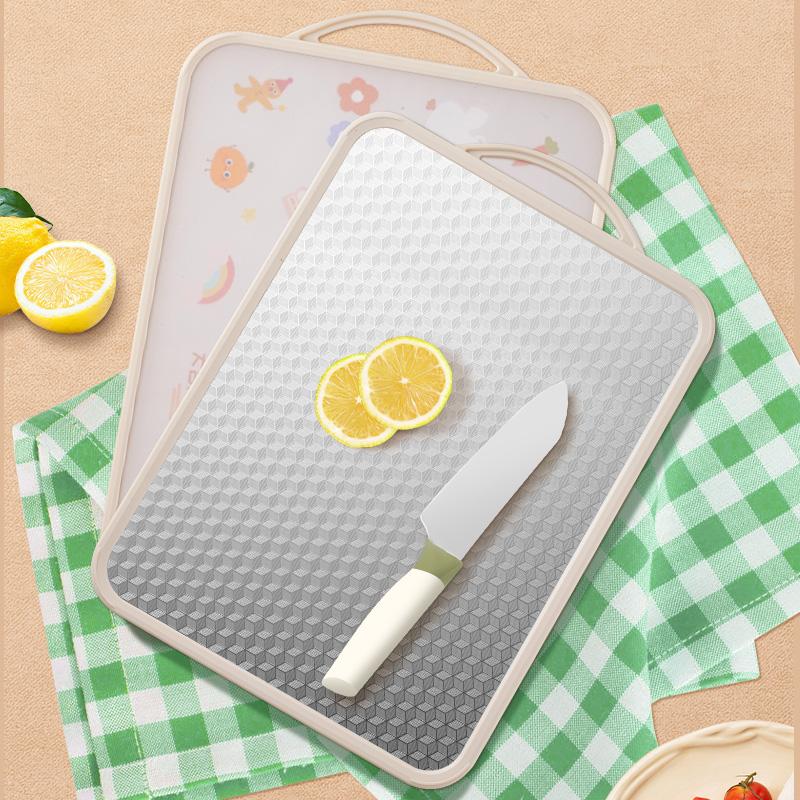
Double-sided cutting boards, with their dense, non-porous metal structure, fundamentally solve the problems of water seepage and mold, truly achieving a kitchen cleaning revolution of "mold resistance, zero water seepage, and easy rinsing."
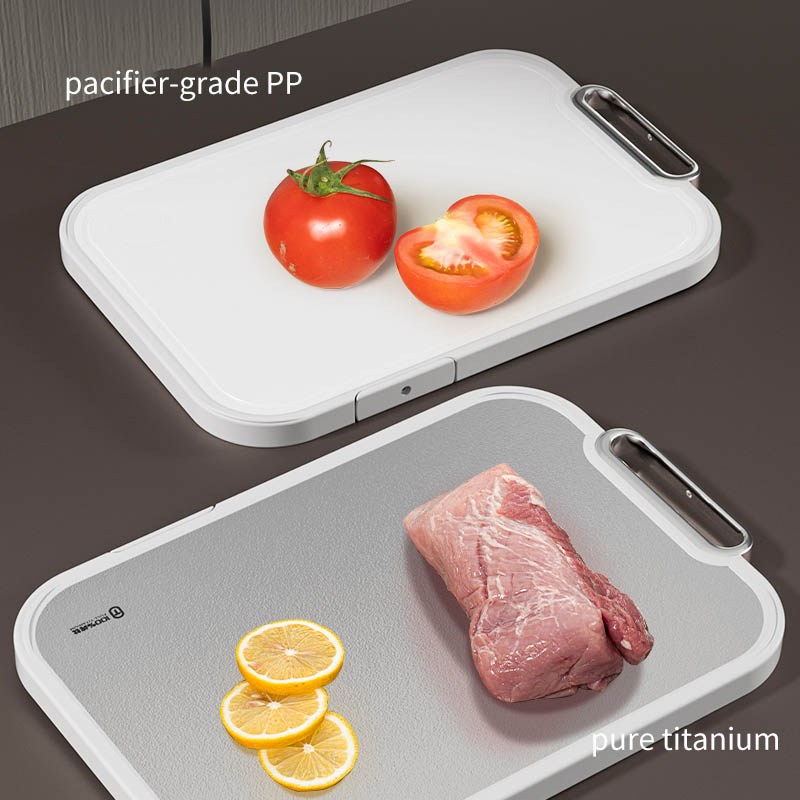
A practical double-sided cutting board, through scientific material selection and ingenious structural design, truly achieves physical separation—one side for raw food, the other for cooked food—blocking cross-contamination pathways at the source and buil
From a long-term usage perspective, the impact of stainless steel surface hardness on tool wear can be mitigated through proper usage habits.
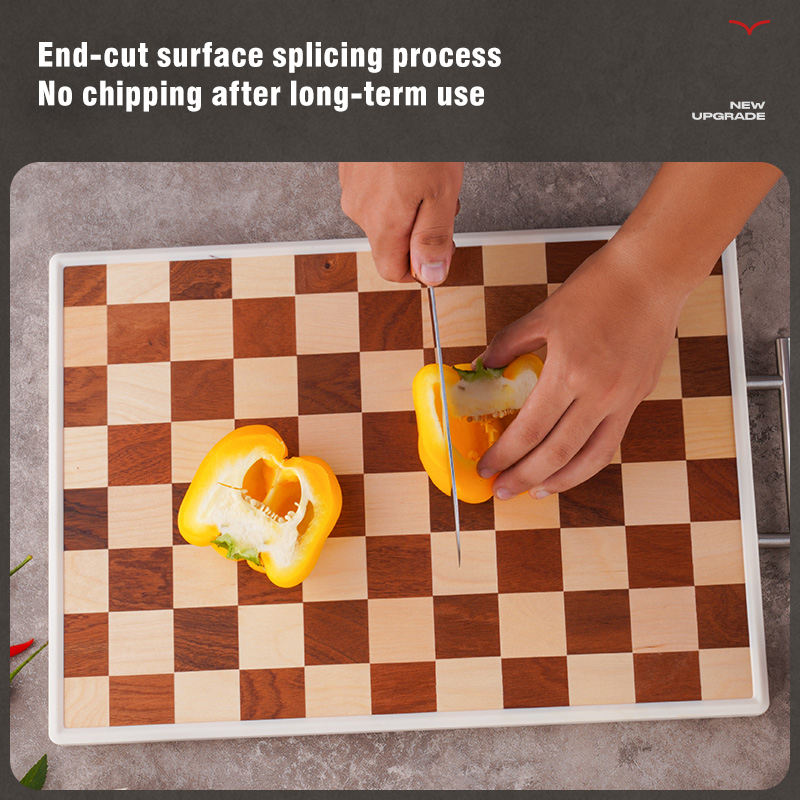
In the daily operation of a kitchen, the cutting board silently endures the most "blade tests." Whether quickly chopping vegetables, mincing bones and tendons, or repeatedly kneading ingredients, every cut is a rigorous challenge to the material and struc
These tests require high-precision equipment (such as ICP-MS spectrometers and colony counters) and a strict quality traceability system, which increases production costs and time.
The double-sided antibacterial cutting board, with its scientific zoning and material innovation, is becoming an effective solution to the problem of cross-contamination in Chinese kitchens.